When is the Best Time for Tree Trimming?
Tree trimming is an essential part of maintaining healthy and beautiful trees. Understanding the best time for tree trimming can significantly impact the health, appearance, and safety of your trees. This blog will explore the ideal times for tree trimming, the benefits of seasonal care, and how to ensure your trees thrive.
Why Tree Trimming is Important
Tree trimming plays a crucial role in maintaining the overall health of your trees. Here are some key reasons why regular trimming is vital:
- Promotes growth by removing dead or diseased branches
- Enhances the tree's shape and aesthetic appeal
- Increases sunlight penetration, which supports healthier growth
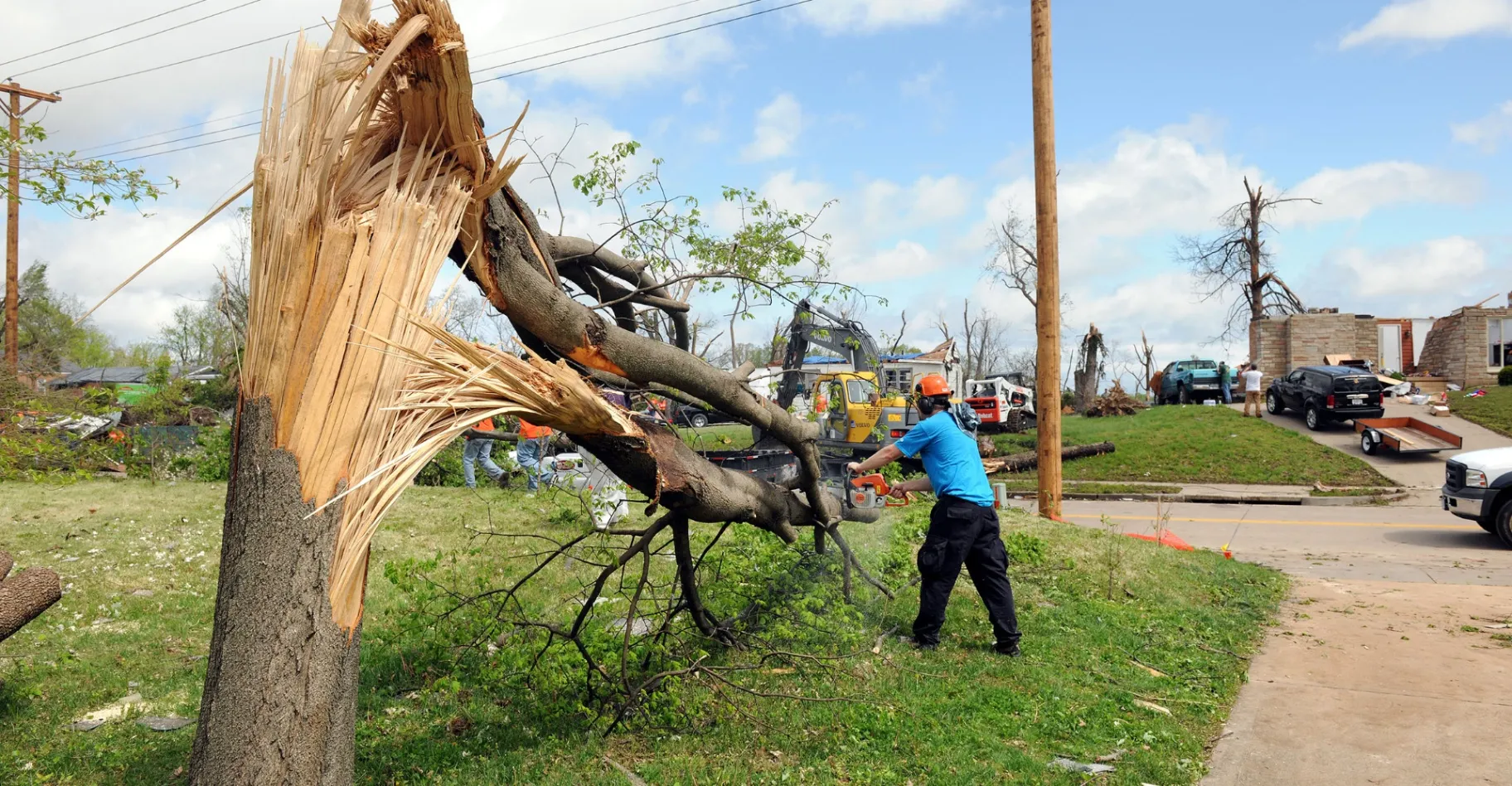
- Prevents damage to property by reducing the risk of falling branches
- Encourages new growth and flowering
Best Seasons for Tree Trimming
Determining the best time for tree trimming largely depends on the type of tree and its growth cycle. Generally, tree trimming can be categorized into three main seasons:
Spring Trimming
Spring is a popular time for trimming many types of trees. Here are some considerations:
- Best for trees that bloom in the spring, such as cherry and magnolia.
- Trimming during this time encourages healthy growth and flowering.
- Avoid trimming during the early spring when trees are just starting to bud.
Summer Trimming
Summer tree trimming can be beneficial for specific purposes:
- Ideal for removing dead branches that are easier to see when the leaves are fully developed.
- Helps maintain the shape of deciduous trees.
- Can reduce the tree's overall height if necessary.
Fall and Winter Trimming
Fall and winter are often considered the best times for trimming many trees, especially those that are dormant:
- Trimming during dormancy minimizes stress on the tree.
- Easier to see the structure of the tree without leaves.
- Reduces the risk of pest infestation.
Factors to Consider for Tree Trimming
While the seasons provide a general guideline, there are additional factors to consider when planning your tree trimming:
- Type of tree: Different species have distinct growth patterns.
- Tree health: Assess whether the tree is diseased or infested.
- Local climate: Weather patterns can impact the best timing for trimming.
- Safety concerns: Look for branches that pose risks to structures or power lines.
Hiring a Professional for Tree Trimming
While some homeowners may feel comfortable trimming trees themselves, hiring a professional can provide numerous advantages:
- Expertise in identifying which branches to trim for optimal health.
- Use of proper techniques to avoid damaging the tree.
- Access to specialized equipment for safe and effective trimming.
- Ability to assess tree health and recommend additional care.
Conclusion
Understanding the best time for tree trimming is crucial for maintaining the health and beauty of your trees. Whether you choose to trim in spring, summer, fall, or winter, it’s essential to consider the specific needs of your trees and the local climate. If you’re unsure about when or how to trim your trees, consider hiring a professional to ensure that your trees receive the care they need to thrive.